
You can be yourself and have a scientific career
TESTIMONIAL
“Thank you so much again for your brilliant insights during our History Month event. We absolutely loved having you there and are looking forward to continuing our collaboration for future initiatives!”
– Pride 2026 event at IBM
ABOUT ME
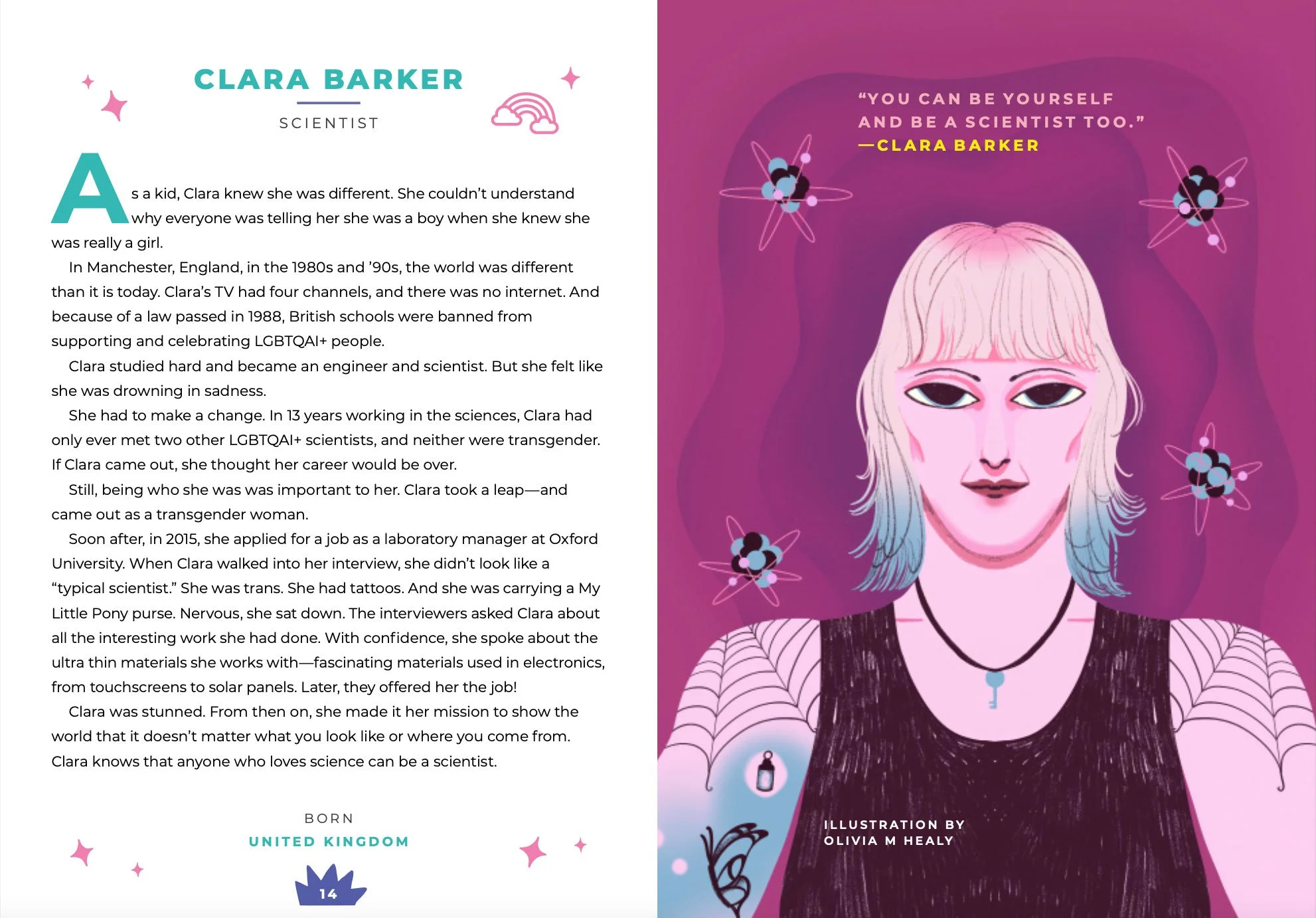
I grew up on a council estate in north Manchester where finishing school was not a guarentee, let alone going to university. I won a scholarship to a local grammar school, where I discovered a passion for science.
Pretty much from the beginning, I knew I was different. I just didn't have the language for it, or anyone to talk to about it. It was the era of Section 28, before the internet, when there were no role models and no LGBTQI+ education in schools. I ended up severely depressed. I couldn’t sleep and I couldn’t concentrate. Just before my A Levels, I dropped out of school.
When I finally found my way back to education I got a first-class honours in electronic and electrical engineering, then a PhD in materials science, followed by a postdoctoral position in Europe.
On paper I was doing great, but I was performing a version of myself that wasn't true. I was presenting as male in a field where I had never in fourteen years met an openly transgender person. I had only met two openly gay scientists. No trans people. They couldn’t possibly be the only queer people in STEM.
So, like many others, I hid my true self, and it had a cost. Emotional burdens affect your output in the lab. Publications didn't happen and my academic career looked thin, not for lack of talent, but because I was using up my energy pretending to be someone I wasn’t.
When I finally got the support to transition, I accepted it would be career ending.
But I took a chance. I went to an interview in Oxford as Clara. No one batted an eyelid. No one asked about me. They asked about my scientific background and future ambitions.
The support I have received since transitioning has been so complete that a part of me regrets the years I spent in hiding.
I am determined that no one coming after me should feel like they have to choose between their identity and their passion.
Today, I am a researcher in the Centre for Applied Superconductivity at Oxford University, work that underpins MRI scanners, particle accelerators, fusion energy and maglev trains. I am also a visible and vocal advocate for LGBTQI+ inclusion in STEM in the UK and beyond.
I have since learned that I have ADHD, which explains why I go about things differently to others around me. However, whilst I may work differently to others, it brings a perspective that others do not have. The personal learning and growth continues!
I believe that if we make people feel welcome and provide positive role models, they will be inspired to follow their dreams. And that can only bring forward scientific breakthroughs.
“Anyone who loves science can be a scientist”
Biography
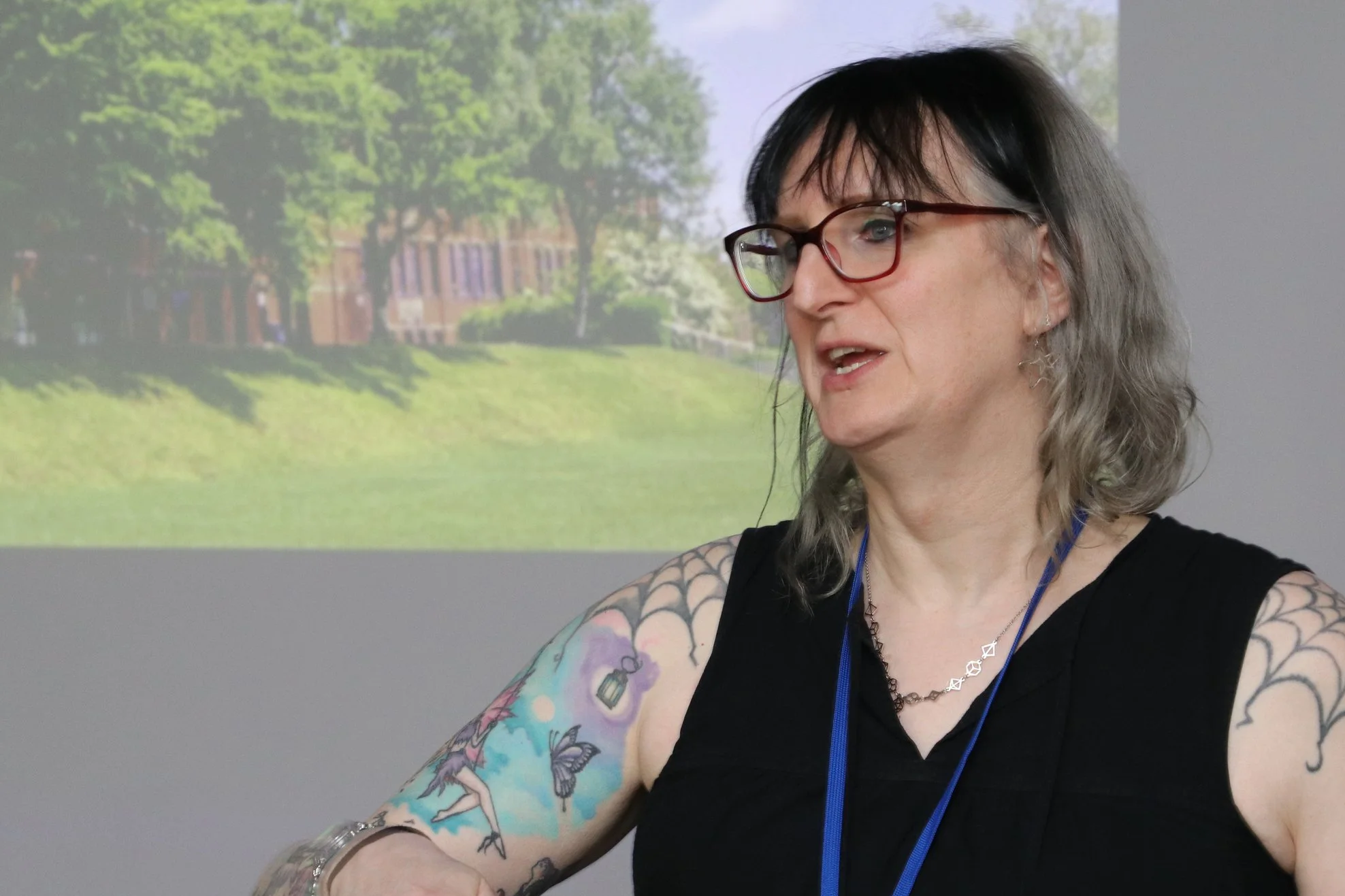
Dr Clara Barker is a thin-film material scientist who carries out research in the Centre for Applied Superconductivity, in the materials department at Oxford University.
She is the Dean for Equality and Diversity at Linacre College and has served as the chair of the LGBT+ advisory group to Oxford University. She has sat on the Royal Society’s Diversity and Inclusion comittee for three terms and is Chair of the Institute of Physics’ Inclusion Strategic Impact Board.
In 2018 she won the first Vice-Chancellor’s diversity role model award from the University. She runs a youth group for LGBTI+ young people and gives many talks in schools and within the University on LGBTQI+ inclusion.
She is a Stonewall school role model, and presented a talk at a TEDx Women London event in 2018. She is involved in many projects aimed at improving equity in STEM subjects by supporting people of diverse backgrounds.
For her volunteer work she won a Points of Light Award from the UK Prime Minister in 2017.